
In the realm of aviation, few experiences rival the thrill of flight—an experience that transcends the mere act of traveling from one point to another. It is a blend of technology, artistry, and human ingenuity, often depicted in films that capture the essence of what it means to soar through the skies. “Flight Legends: The Cinematic Experience of Every Flight” is a study that delves into the intersection of aviation and cinema, exploring how films have portrayed the beauty, drama, and complexity of flight.
Introduction to Flight and Cinema
The history of flight is a rich tapestry woven with tales of ambition, innovation, and adventure. From the Wright brothers’ first powered flight in 1903 to the development of supersonic jets, aviation has always captivated the human imagination. Cinema, as a visual storytelling medium, has had a profound impact on how flight is perceived and understood. The first films featuring flight often took a simplistic approach, showcasing the novelty of flying, while contemporary cinema has evolved to depict the multifaceted nature of aviation, including its challenges, dangers, and triumphs.
The Evolution of Flight in Film
Early cinema often romanticized the concept of flight. Silent films like “The Great Air Robbery” (1926) and “Wings” (1927) introduced audiences to the thrill of aerial combat and the heroism of pilots. These early portrayals set the stage for a cinematic legacy that would continue to evolve. As technology advanced, so too did the depiction of flight in films. The introduction of sound and color brought a new dimension to storytelling, allowing filmmakers to create more immersive and realistic experiences.
The 1980s and 1990s marked a significant turning point in aviation films with blockbusters like “Top Gun” (1986), which not only showcased the adrenaline of fighter jet combat but also explored themes of camaraderie, rivalry, and personal growth. The film’s portrayal of the U.S. Navy’s elite fighter weapons school captivated audiences and sparked a renewed interest in military aviation. Similarly, “Air Force One” (1997) combined political drama with high-stakes aerial action, showcasing the complexities of air travel in a post-9/11 world.
Thematic Elements of Flight in Cinema
One of the most compelling aspects of flight in film is its ability to evoke a range of emotions. The thrill of takeoff, the serenity of cruising at altitude, and the tension of turbulence are all emotions that filmmakers have skillfully captured. The themes of freedom, escape, and adventure are often intertwined with the narrative, allowing viewers to vicariously experience the exhilaration of flight.
Moreover, flight in cinema often serves as a metaphor for personal growth and transformation. Characters who embark on journeys through the skies frequently undergo significant changes, facing their fears and overcoming obstacles. Films like “The Aviator” (2004) highlight the struggles of pioneering aviators like Howard Hughes, showcasing the intersection of ambition and madness. Similarly, “Catch Me If You Can” (2002) uses flight as a backdrop for a cat-and-mouse chase, emphasizing themes of deception and identity.
Technological Advancements in Filmmaking
The portrayal of flight in cinema has been greatly enhanced by technological advancements in filmmaking. The use of CGI (computer-generated imagery) has revolutionized the way flight is depicted on screen. Filmmakers can now create breathtaking aerial sequences that would have been impossible to achieve with practical effects alone. Movies like “Avatar” (2009) and “Interstellar” (2014) have pushed the boundaries of visual storytelling, utilizing advanced CGI to create otherworldly flight experiences.
Additionally, the advent of drones has allowed filmmakers to capture stunning aerial shots that provide unique perspectives on flight. Drones have democratized aerial cinematography, making it accessible to independent filmmakers and allowing for innovative storytelling techniques. As a result, the cinematic experience of flight has become more immersive and visually captivating.
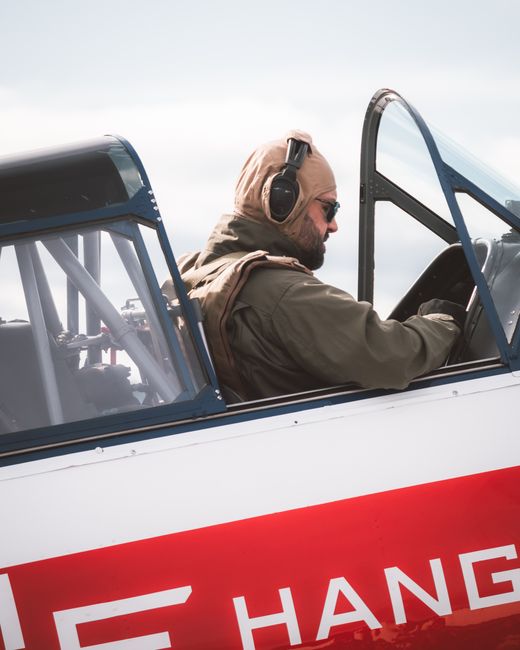
The Impact of Flight on Audience Perception
The portrayal of flight in cinema has a profound impact on audience perception. Films often shape public perception of aviation, influencing how people view air travel, pilots, and the aviation industry as a whole. Positive portrayals of flight can inspire a sense of wonder and excitement, while negative depictions may contribute to fear and anxiety surrounding air travel.
Moreover, the portrayal of pilots in film can significantly influence societal attitudes towards aviation professionals. Films like “Sully” (2016), which tells the story of Captain Chesley “Sully” Sullenberger’s emergency landing on the Hudson River, humanize pilots and highlight their expertise and decision-making skills. Such films foster a greater appreciation for the complexities of aviation and the dedication of those who navigate the skies.
The Future of Flight in Cinema
As technology continues to evolve, the future of flight in cinema holds exciting possibilities. The rise of virtual reality (VR) and augmented reality (AR) may offer audiences even more immersive experiences, allowing them to feel as though they are truly in the cockpit or soaring through the clouds. Additionally, as the aviation industry embraces sustainable practices and innovations, filmmakers may explore themes of environmental responsibility and the future of air travel.
Furthermore, the increasing diversity of stories being told in cinema opens the door for new narratives surrounding flight. Filmmakers are now exploring the experiences of marginalized communities in aviation, showcasing the contributions of women and people of color in the field. These stories not only enrich the cinematic landscape but also reflect the evolving nature of the aviation industry.
Conclusion
“Flight Legends: The Cinematic Experience of Every Flight” is a testament to the enduring fascination with aviation in film. Through the lens of cinema, audiences are transported into the world of flight, experiencing the thrill, beauty, and complexity of soaring through the skies. As technology continues to advance and new stories emerge, the cinematic portrayal of flight will undoubtedly evolve, inspiring future generations to dream of the skies and the endless possibilities of flight. The marriage of aviation and cinema will continue to captivate and inspire, reminding us of the incredible journey that began with a simple dream of flight.
